None of these are beginner mistakes exactly. They are the ones that keep happening to people who already cook well, because each involves a step that looks harmless and is not, and because the damage usually shows up long after the moment you could have prevented it. A pot of burnt paprika tastes fine for the first ten seconds.
Most of them share a cause: something went in too early, or something wet was in the pan when it should not have been.
| The mistake | What it costs you | The fix |
|---|---|---|
| Paprika in too long | The whole pot turns bitter, unrecoverably | 30 to 60 seconds, or off the heat entirely |
| A crowded pan | Steamed instead of browned, however long you wait | Single layer, gaps between the pieces |
| Boiled miso | Flat and merely salty, cultures killed | Loosen in hot broth, stir in off the heat |
| Unpressed tofu | Will not brown, will not take a marinade | 15 minutes under a weight |
| Acid added early | The sharpness you wanted has boiled away | Lemon or vinegar at the end, off the heat |
| Cake cut warm | The middle drags out on the knife | Cool completely. Cheesecake, overnight |
| Overmixed batter | Tough and rubbery instead of tender | Stop the moment it comes together |
1. Burning the paprika
Paprika scorches in seconds and turns bitter, and once it does the whole pot is gone. You cannot season your way back out of it.
The reason it is so unforgiving is that paprika is a ground dried fruit with a lot of sugar in it, so it behaves like sugar in a hot pan rather than like a robust dried spice. It goes from fragrant to acrid with almost no warning in between.
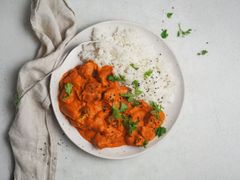
Oyster Mushroom Paprikash puts a number on it: sweet and smoked paprika get 30 to 60 seconds in the hot pan and no longer. In goulash-style dishes the safety move is to pull the pot off the heat entirely, stir the paprika in, then return it. A pan off the heat is still plenty hot enough to release the flavour and no longer hot enough to destroy it.

2. Crowding the pan
Food touching food means steam trapped between, and steam is the opposite of browning. Whatever you are cooking, a single layer with gaps is most of the technique.
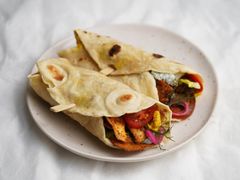
Tofu Gyros Wrap specifies a single layer on the tray. It is not fussiness, a crowded tray is a steamed tray. Chili Cauliflower Wings is stricter still, wanting a single layer and no floret touching another, because a battered piece against another piece is two soggy sides.
The advanced version is driving the water off on purpose before you start. Oyster Mushroom and Black Bean Quesadillas weighs the mushrooms down with a second pan and presses for about five minutes until they have lost most of their volume. Only then does the marinade go in. Mushrooms are mostly water and it has to leave before anything else can happen.
Two trays is not a defeat. It is the correct answer.


3. Boiling the miso
Miso is a live ferment. Boil it and you kill the cultures and flatten what was complex into something merely salty, which is a strange thing to do to the most expensive jar in the cupboard.
Miso Soup with Soba Noodles loosens the paste with a ladle of hot broth first, then stirs it back in, and the pot comes off the heat after that rather than before. Loosening first also stops it clumping, which is the other thing that goes wrong when miso meets a full pot at once.

4. Not pressing the tofu
The single most common reason tofu disappoints. Wet tofu will not brown and will not take a marinade, because the water is occupying both the surface and the space the marinade needs.
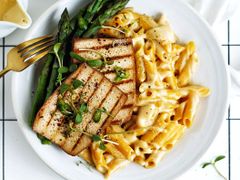
Fifteen minutes under something heavy is enough for most dishes, and plenty of dishes need none at all. Which is which is covered in how long to press tofu, and the reason it changes the browning is in getting tofu crisp.
5. Adding acid too early
Vinegar and citrus are volatile. Cooked into a pot for twenty minutes, the brightness you added them for has left with the steam, and what stays behind is sourness without lift.
They go in at the end, off the heat. Chilli Sin Carne finishes with lime for exactly this reason. If a dish tastes heavy rather than underseasoned, this is almost always what it is missing.

6. Cutting it before it cools
Vegan bakes set as they cool, not in the oven. There is no egg protein firming them up while they are hot, so the structure comes from starch retrogradation and fat solidifying, and both of those happen on the way down. Cut early and the middle drags out with the knife.
Vegan Banana Bread asks for a full hour before slicing. Lemon Loaf Cake wants it completely cool before the glaze goes on, or the glaze slides off and soaks in.
Cheesecakes go further again. Vegan Poppy Seed Cheesecake and Vegan Tofu Cheesecake with Strawberry Curd both cool for an hour inside the switched-off oven with the door ajar, then set overnight in the fridge. They crack from a sudden temperature drop rather than from overbaking, so the slow cool is the whole insurance policy. Vegan Carrot Cake wants the layers left overnight before trimming, for the plainer reason that a warm sponge tears under a knife.


7. Overmixing the batter
Flour develops gluten the moment it is wet and worked, and gluten is exactly what you want in bread and exactly what you do not want in a cake. Tough and rubbery instead of tender, and unlike everything else here it happens in the last thirty seconds before the tin goes in the oven.
Vegan Carrot Cake says to mix only until the grated carrot is incorporated and no further. A batter that looks slightly rough is correct. If it looks perfectly smooth you have already gone too far, and there is no way back from it either.